PANOPTESDeFi debt markets intelligence
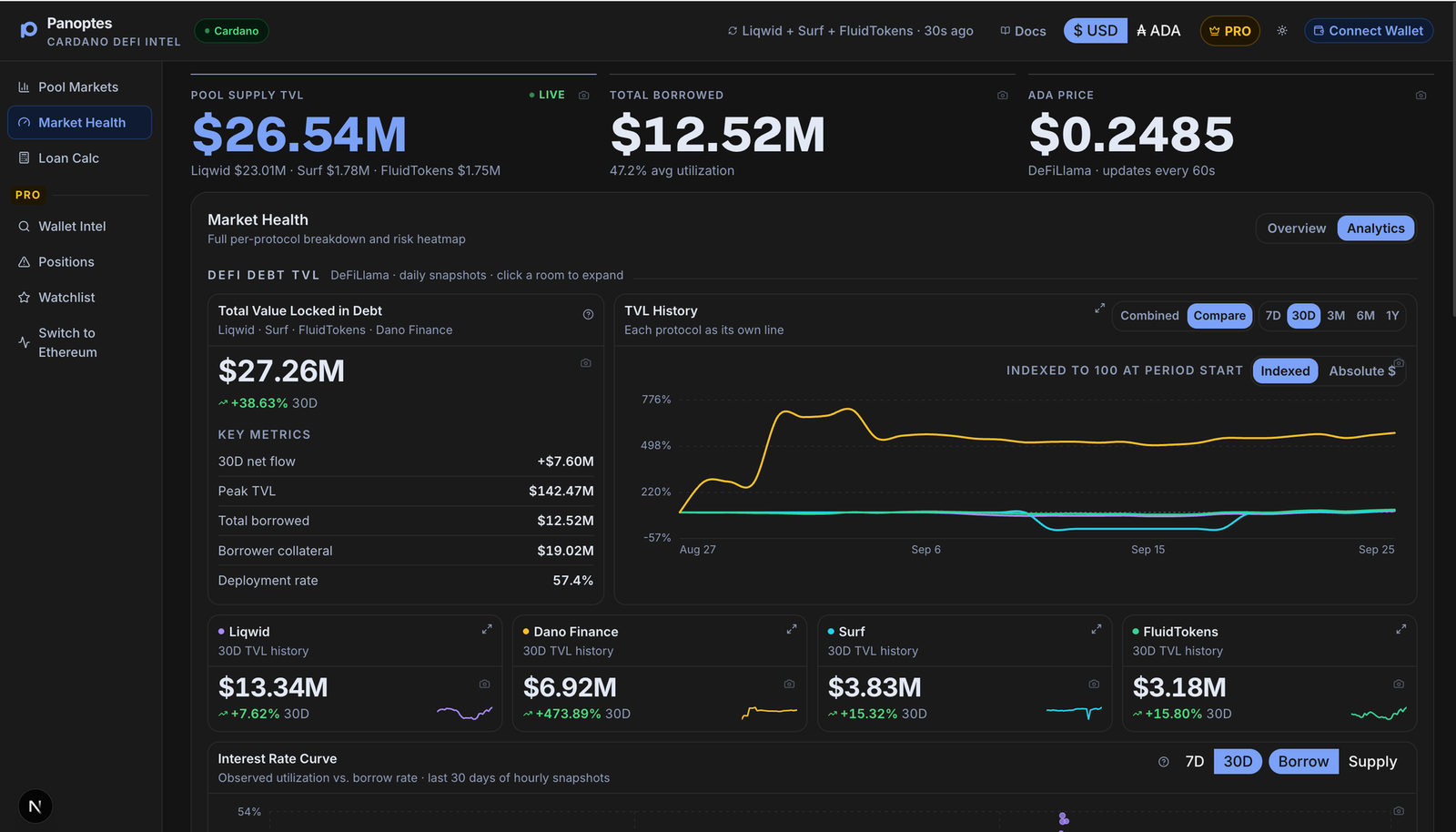
A single token's price crash nearly took out a chunk of Cardano's lending market — because nobody could see the aggregate risk until it was too late.
What happened
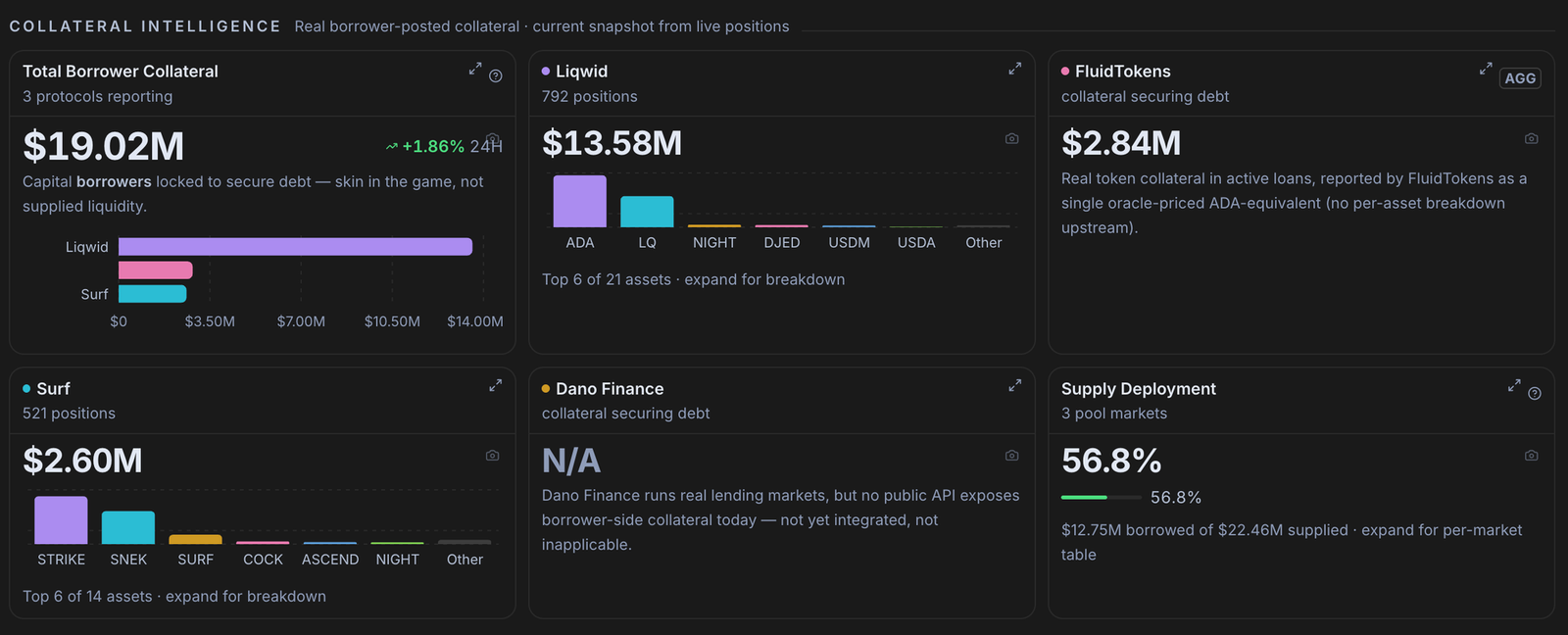
A token used as collateral across most of the active loans across multiple protocols in Cardano, a major liquidation cascade (caused by market sentiment and recent project announcements) started pouring — fast. Loan-to-value ratios and health factors across dozens of positions crossed into liquidation territory within hours, and there was no single place to see how much exposure the ecosystem actually had to that one token.
I was watching it happen in real time, piecing together risk from separate protocol dashboards that weren't built to talk to each other. That gap — no aggregate view of Cardano's debt markets — is the thing PANOPTES exists to close.
What I built
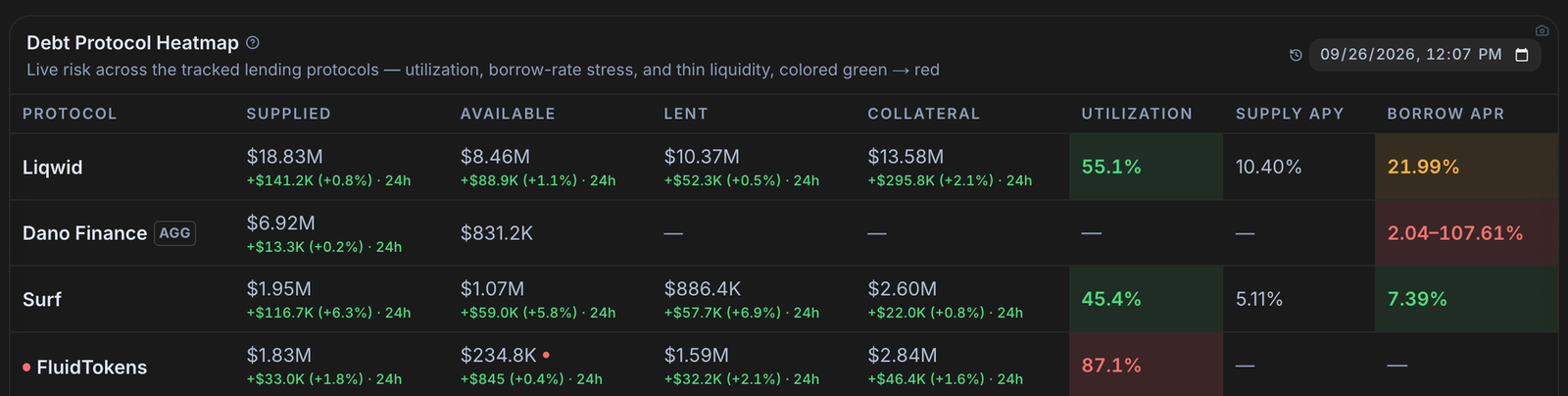
Not another lending protocol — a data layer on top of the ones that already exist. Cardano's eUTxO model makes on-chain lending activity readable without needing a centralized API from each protocol, so PANOPTES indexes P2P and pool-based markets directly and normalizes them into one schema.
The target isn't a dashboard you check occasionally. It's something you'd actually open before making a credit decision — closer to an intelligence feed than a chart.
How it works
- P2P & pool markets — one schema across protocol types that don't natively agree on anything
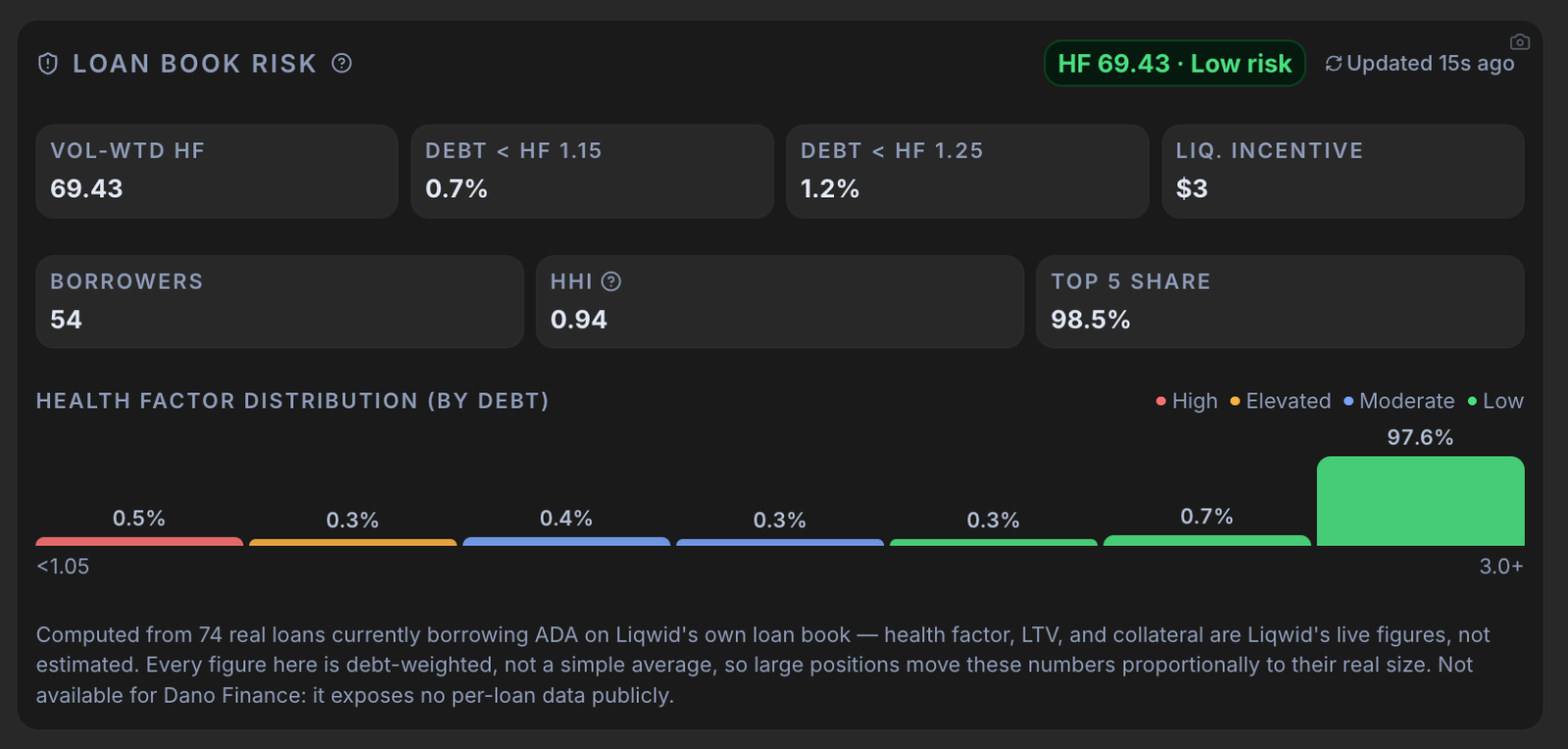
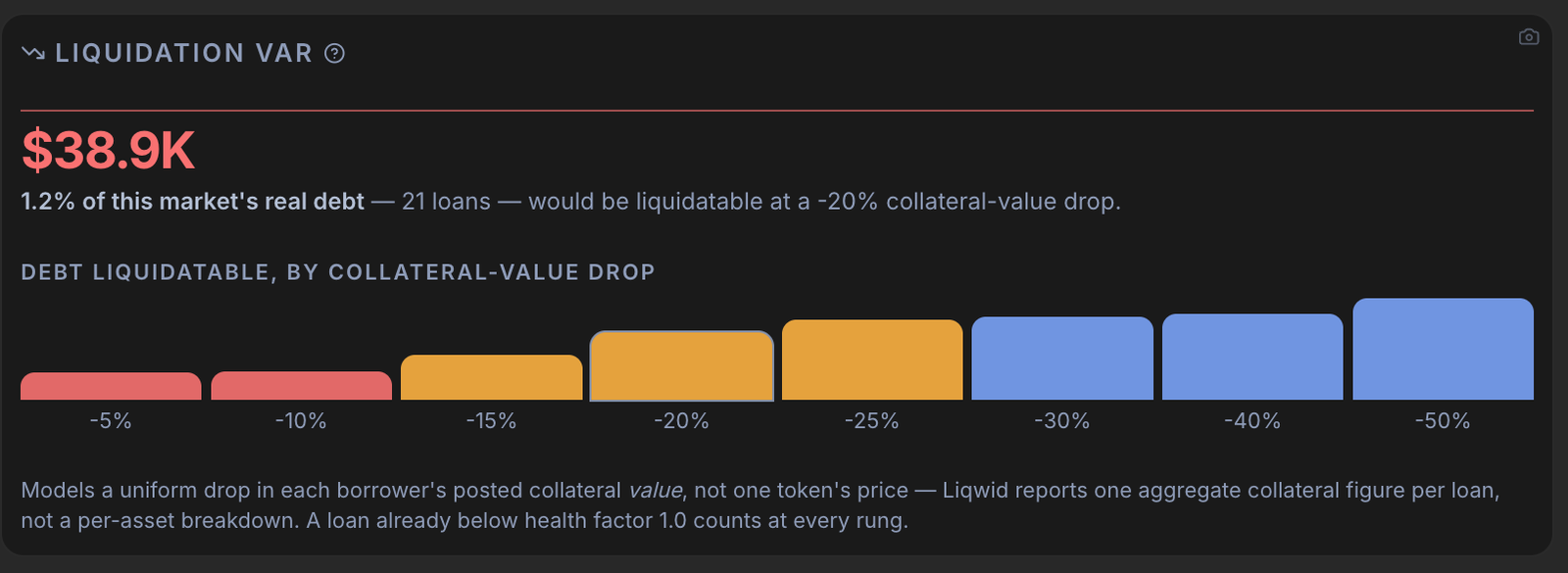
- Positions at risk — LTV and health-factor flags before a position hits liquidation, not after
- Wallet intelligence — borrower and lender behavior at the address level
- Loan calculator — model a position against live market rates before you open it
Panoptes still gated for personal use only.
Inside the dashboard
Where it stands
PANOPTES is live in closed testing. Early users have caught liquidation risk and tracked exposure across protocols they couldn't previously see in one place.
The hard part turned out not to be the UI — it was normalization. Every Cardano lending protocol makes different architectural choices, and getting them into one shared schema without losing signal is most of the actual engineering.
Next: wider protocol coverage, public access, and alerts when a position's health changes.
Get in touch for updates